
.png?width=100&height=55&name=Untitled-1%20(1).png "Untitled-1 (1)")
If your child is new to AI, the best starting point is simple. Choose a weekly rhythm that builds confidence over time, or an intensive that creates a quick boost through hands-on projects. Either way, we focus on practical learning with clear outcomes, not passive screen time.
• Build real confidence through structured, age-appropriate learning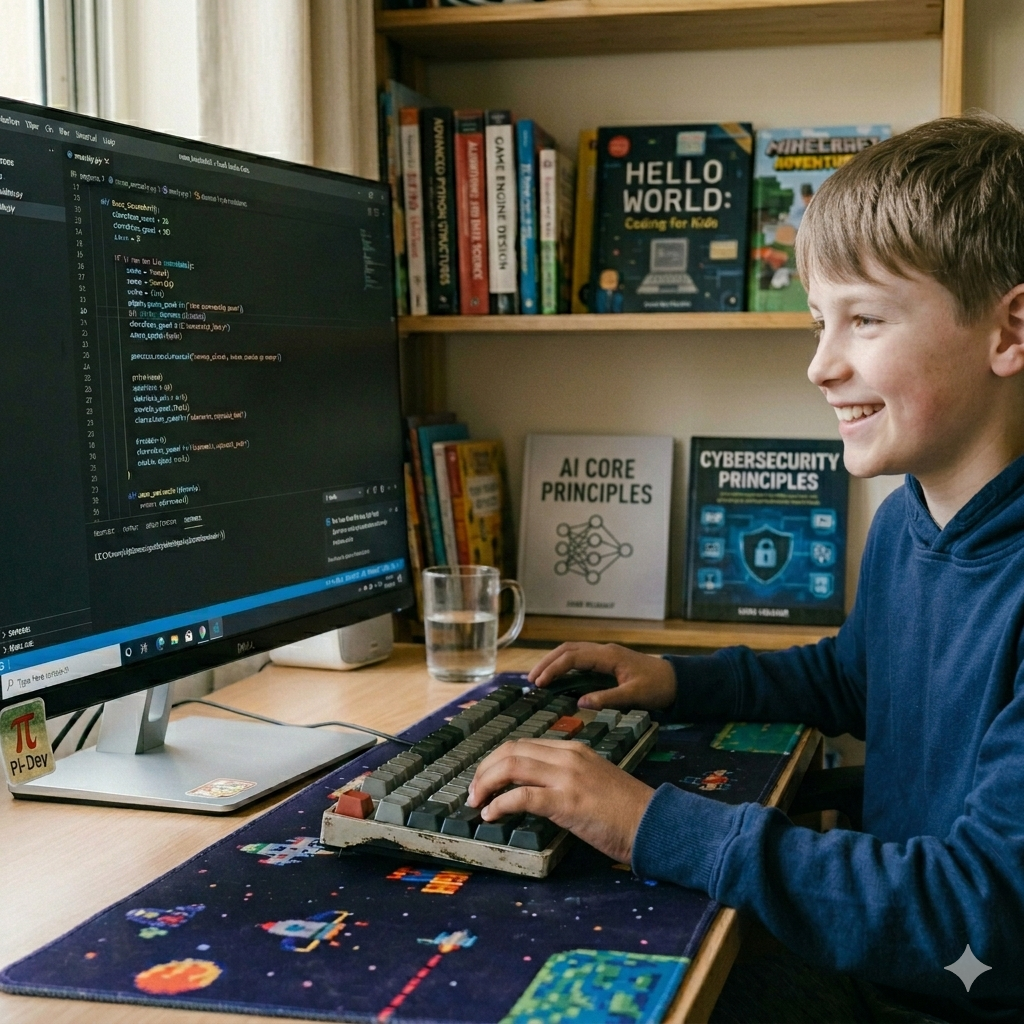
If your child is new to AI, the best starting point is simple. Build momentum through routine or dive in through an intensive.
Our Saturday classes are designed for steady progress and skill-building over time. Our holiday camps are built for fast learning, creativity, and confidence through practical projects.
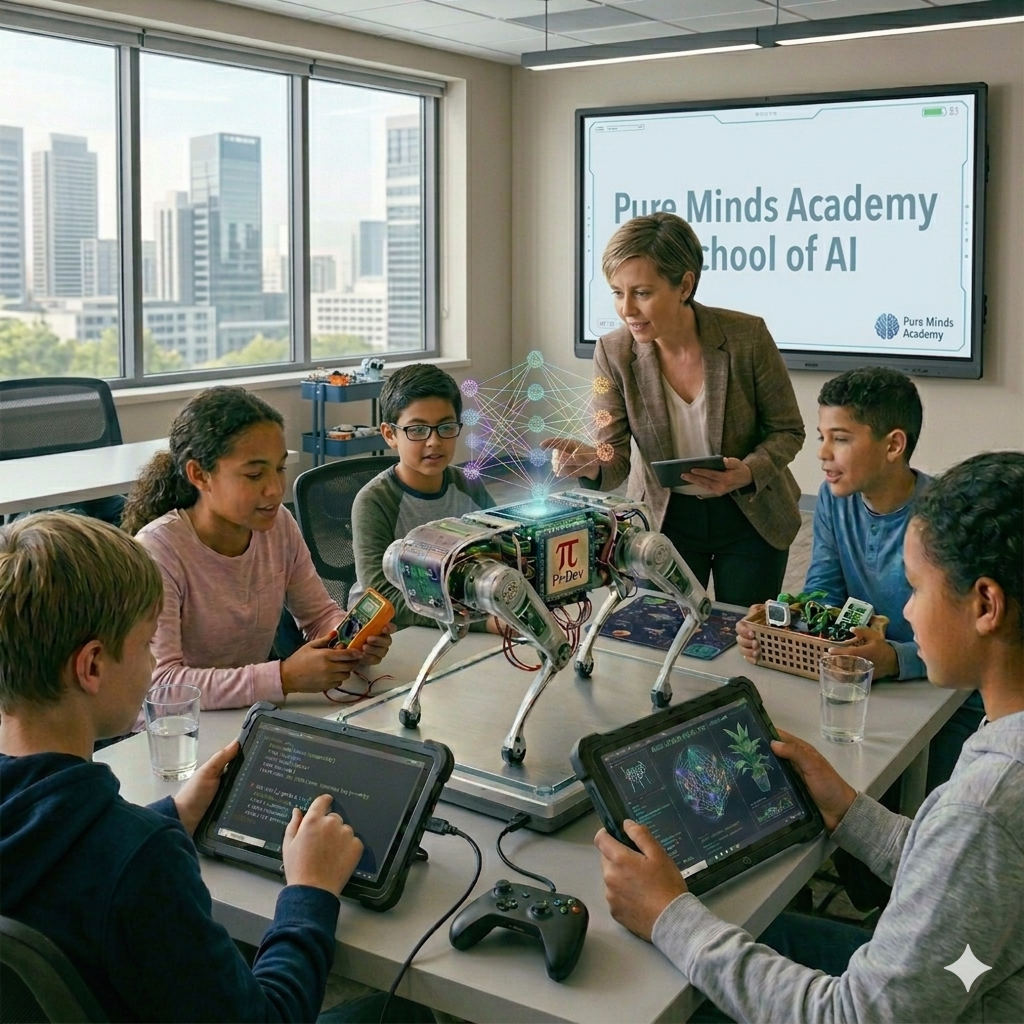
We teach AI as a practical skill, not as a buzzword.
Depending on age and level, learners explore:

Digital skills used to sit with a few teams. AI will touch every role.
Early AI literacy helps children become confident users and thoughtful creators, not passive consumers.
It also builds critical thinking, communication, and problem-solving skills that matter in any career path.
Our programmes are designed for children aged 4 to 16. We place learners into age-appropriate groups so they build confidence at the right pace. Some advanced pathways are best suited to older learners.
No. Many students start with zero experience. We build from fundamentals and progress through practical projects.
If you want steady progress, start with Saturday classes. If you want a fast confidence boost, start with a holiday camp. Many families use camps to spark interest then Saturday classes to build long-term capability.
They will learn by building. Sessions are practical, project-based, and designed to keep students engaged while developing real problem-solving skills.
Yes. We teach children what AI can do, where it can fail, and why judgement matters. Responsible use is part of the curriculum, not an afterthought.
Not at all. AI literacy is becoming relevant for every future career path. Our approach supports beginners and helps confidence grow through structured learning.
Share your child’s age, confidence level, and interests. We will recommend the best starting pathway, typically Saturday classes or a holiday camp.